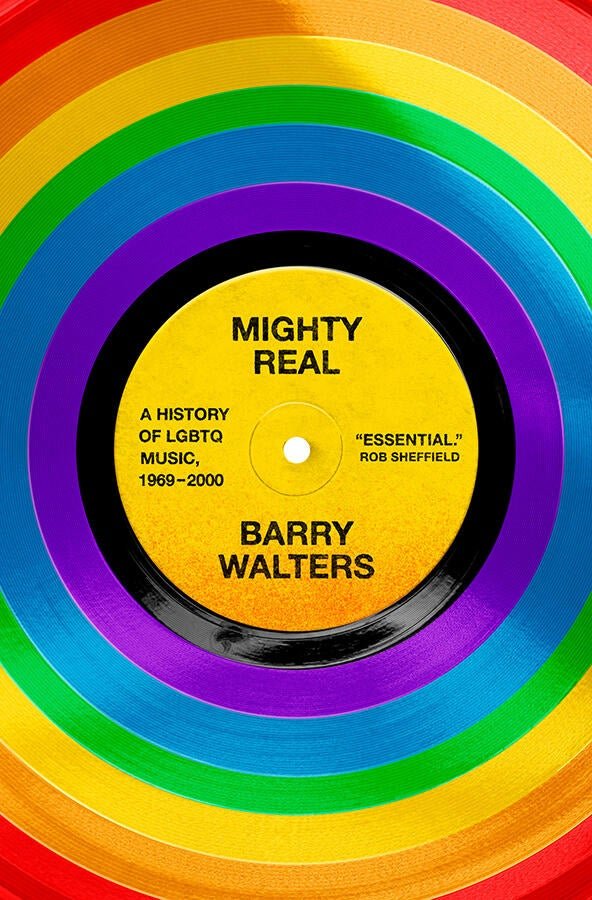
Rolling Stone writer Barry Walters, whose new book, “Mighty Real,” is a history of LGBTQ music, explains what a difference a word can make:
Viking 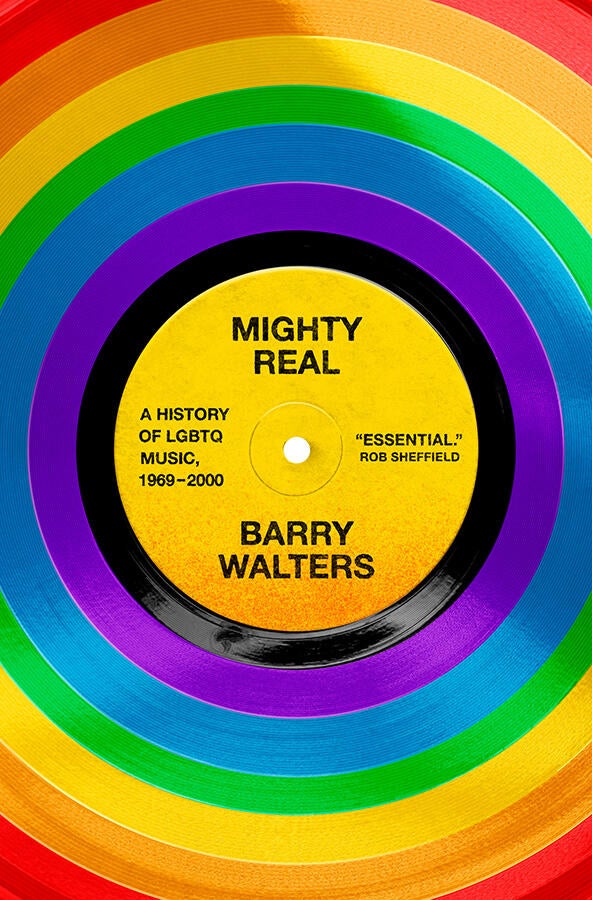
When I hear love songs sung by straight men, I mentally switch the gender of their nouns so I can relate to what they’re singing about. This is what gay people do. Most hits aren’t designed for us, not even those by us.
Queer musical content ordinarily gets marginalized, unless it comes from a juggernaut like Sam Smith, a gay but mainstream and multi-million-record-selling Brit.
Unlike “Unholy,” Smith’s 2022 chart-topper with Kim Petras, there’s nothing confrontational about his new single, “My Guy.”
The reason why I’m mentioning it is its simple use of a masculine noun to denote a same-sex relationship. For someone of Smith’s fame, that’s news. LGBTQ pop is rarely this straightforward.
Little Richard helped invent rock ‘n’ roll by being nearly nonsensical. Then, David Bowie made serious art out of complex gender provocation. Rebels like them are usually those with the least to lose.
That’s how it was at the Stonewall Inn 57 years ago, when butch gals, nelly boys, and drag queens got fed up with hostile New York cops. They fought back.
This summer, Sam Smith fights back with a hit-worthy ballad where one little repeated noun makes a big advancement.
To hear Sam Smith performs “My Guy” click on the video player below:
You can dream it all that you want, but you can’t have my boy
You can’t have him you can try try try
A breath of fresh air, a rose on the vine
Oh, I could just stare at him all the time time time
He’s my guy
Revolution has never sounded so gentle.
READ AN EXCERPT: “Mighty Real: A History of LGBTQ Music, 1969-2000” by Barry Walters
For more info:
Story produced by John Goodwin. Editor: Ed Givnish.