
Washington — A federal judge on Monday ruled the Trump administration acted unlawfully when it created a centralized database that contains Americans’ private information, which she said has since been used by some states to incorrectly remove U.S. citizens from their voter rolls.
U.S. District Judge Sparkle Sooknanan in Washington, D.C., sided with a voting rights group and nonprofit that works to protect privacy in finding that the administration violated three different laws with its new system that includes Americans’ citizenship data.
“All in all, the federal government has knowingly trampled on the privacy rights of American citizens in a manner that threatens the sacred right to vote,” she wrote. “This Court cannot stand idly by while that happens.”
The judge set aside the administration’s overhaul of a database maintained by the Department of Homeland Security to verify citizenship and immigration status, called the Systematic Alien Verification for Entitlements, or SAVE, system.
The plaintiffs in the case had argued that the Trump administration turned that tool into a “searchable national citizenship data system” that draws from records held by the Social Security Administration and Department of Homeland Security.
Sooknanan said that the court fight raises two fundamental rights that aim to protect Americans from government overreach: the right to privacy and the right to vote. And she said the record in the case demonstrated that the federal agencies that created the clearinghouse knew it violated privacy protections put in place by Congress decades ago.
The judge wrote that the Trump administration “flunked compliance” with the Social Security Act, the Privacy Act and the Administrative Procedure Act by “haphazardly” combining and repurposing “the private information of millions of Americans, including citizenship data that they knew to be unreliable.”
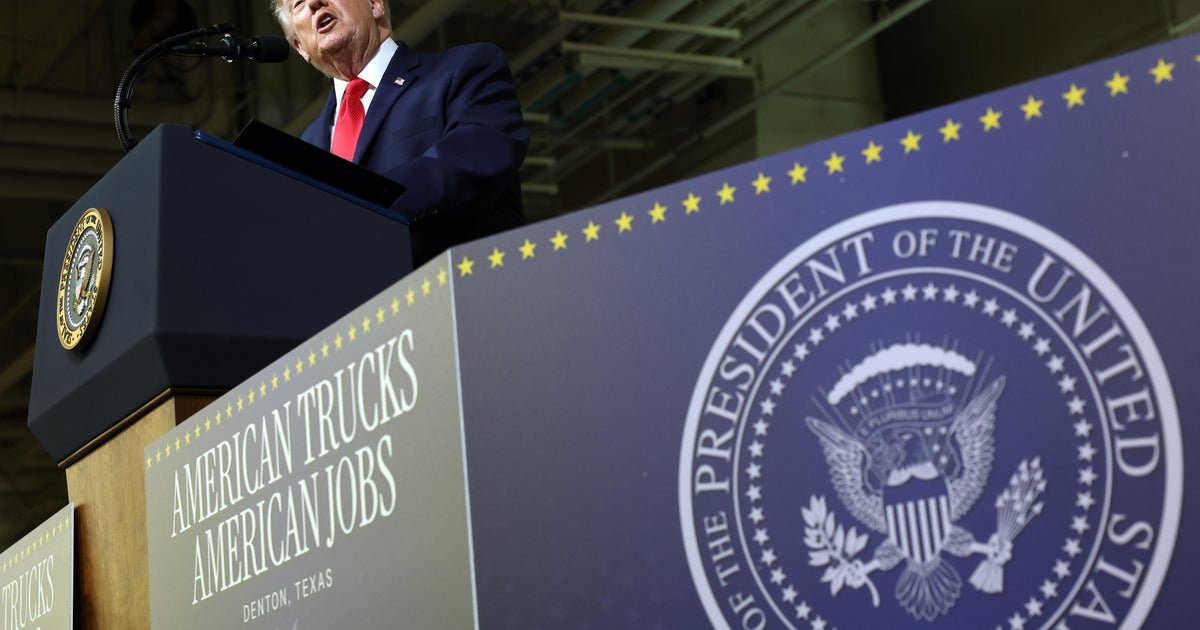
The data bank was created by several federal agencies in response to an executive order signed by President Trump last year that sought to impose a new proof-of-citizenship requirement for those registering to vote. The order directed DHS and the SSA to create a database that would effectively allow state and local officials to verify citizenship or immigration status of individuals trying to register to vote.
The executive order drew several legal challenges, and key provisions have been blocked.
Still, the directive triggered the overhaul of the SAVE system, which was modified to include the records of natural-born citizens, to access records from the SSA, including Social Security numbers, and to permit bulk searches of records by entities that use the database.
In response to the administration’s efforts to pool Americans’ data, the League of Women Voters, the Electronic Privacy Information Center and five individuals sued DHS, the SSA and the Department of Justice, arguing that the consolidation of Americans’ sensitive records from multiple agencies was unlawful.
The plaintiffs said that since the SAVE system was modified, states had partnered with the federal government to run their voter registration lists through the database and purged people who were incorrectly identified as noncitizens from their voter rolls.
The Trump administration had defended its use of the SAVE system, which has been used since 1986, as a “clear congressional directive to break down information silos between government agencies.” The administration argued that the suit should be dismissed because DHS had the authority to modernize the database.
Justice Department lawyers told the court that only a small number of naturalized voters may have inaccurate citizenship data in SSA records. But Sooknanan called the argument a “red herring” and said the dissemination of inaccurate information about citizenship status is defamatory, in part because it implies that those who were improperly removed from voter rolls violated a federal prohibition against noncitizen voting.
She said the Trump administration’s “arguments to the contrary border on the absurd.”
The judge said the overhauled system and related notices from DHS and the SSA were “contrary to law, arbitrary and capricious, in excess of statutory authority, and without observance of procedure required by law.”
The decision can be appealed to the federal appeals court in Washington, D.C. It was cheered by one of the organizations representing the plaintiffs in the case as an “important victory for the American people and our democracy.”
“The data at the heart of this lawsuit was unlawfully consolidated in violation of privacy laws intended to protect sensitive personal information,” Skye Perryman, president and CEO of Democracy Forward, said in a statement. “We are honored to work alongside the plaintiffs and co-counsel in this case, and are grateful that the court has acted to protect people and our elections every day and especially during our nation’s 250th anniversary year.”