
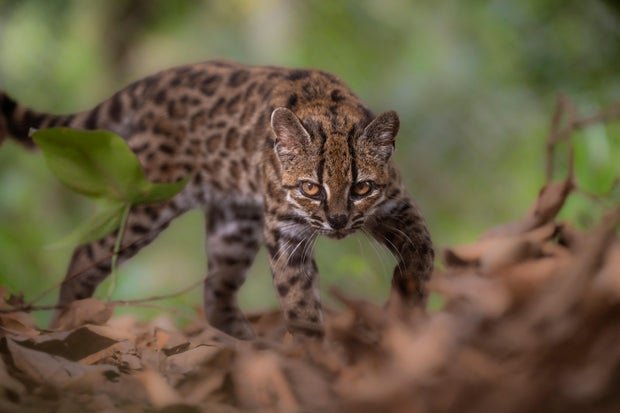
Scientists have discovered a new species of wild cat for the first time in more than a century, a Bolivian researcher told AFP on Thursday.
The Tilcayo tiger cat, a small feline with a spotted, leopard-like coat, was identified in the mountainous Yungas region near the capital, La Paz.
Locals who saw the creature in the Bolivian Andes had mistaken it for an ordinary house cat, said biologist and National Geographic explorer Paola Nogales-Ascarrunz, who was part of the research team that studied them.
The nickname “tilcayo” given to the animal by locals inspired its new scientific designation: Leopardus tilcayo.
Fernando Faciole / National Geographic / Handout via Reuters 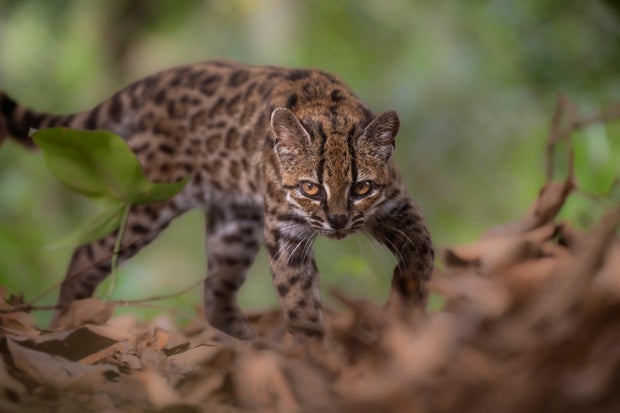
Nogales-Ascarrunz lauded the discovery as a “remarkable event, because a new wild cat species hasn’t been described in 100 years.”
The cat is the first feline discovered since the Uruguayan pampas cat in 1923.
The tilcayo is slightly smaller than a domestic cat, measuring around 18 inches, with rounded ears.
A pair of tilcayos — the only such creatures found so far — have undergone whole genome sequencing, Nogales-Ascarrunz said, referring to a type of in-depth genetic testing.
Fernando Faciole / National Geographic / Handout via Reuters 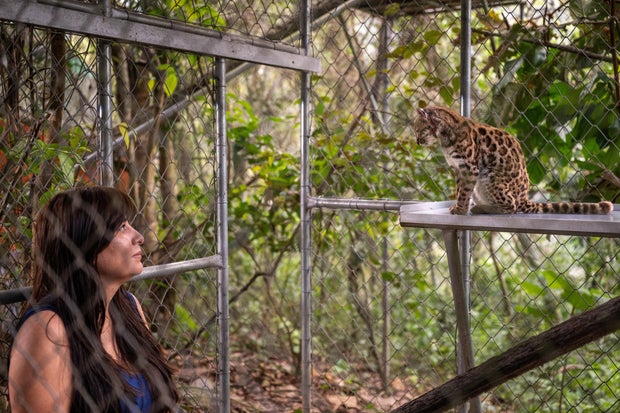
A male tilcayo is living at an animal shelter in Yungas after it was handed over by a family who had taken it in.
A female was rescued and released into the wild after being attacked by locals.
Research on the species was published on Thursday in the journal Current Biology, capping off research that scientists began in 2021.
“So far, it’s only been detected in Bolivia” and not “anywhere else on the planet,” Nogales-Ascarrunz said.
She said the creatures were classified as vulnerable to extinction, but their small numbers meant they could soon be considered “at much greater risk” of dying out.